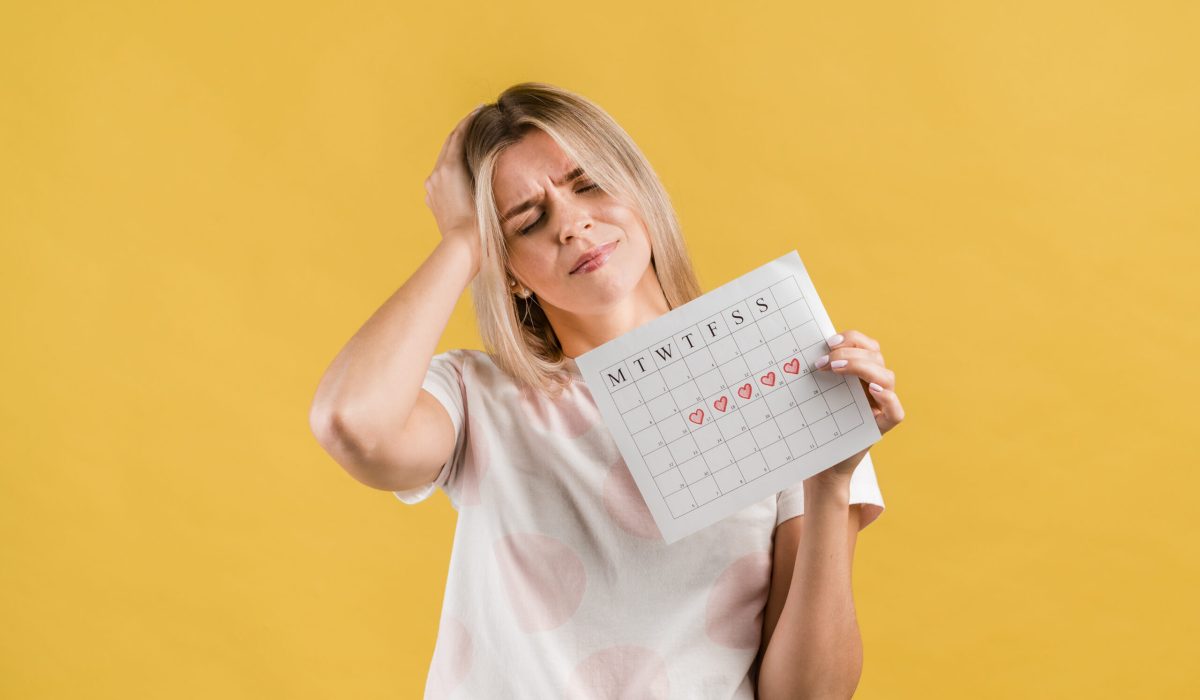
What Are Frequent Periods (Polymenorrhea)?
Frequent periods, also called polymenorrhea, mean having menstrual cycles that are shorter than usual. Usually, a normal cycle lasts about 21 to 35 days. However, with polymenorrhea, periods come less than 21 days apart. Because of this, you may notice bleeding more often than expected. Understanding why frequent periods happen is important. It can help you spot health problems early and seek the right care.
Common Causes of Polymenorrhea
Many things can cause frequent periods. Sometimes, it is a normal change, but it can also signal a health issue. For example, young girls and women nearing menopause may notice irregular cycles. However, other causes may need attention. Common causes include:
According to the World Health Organization (WHO), hormone changes are a leading cause of irregular menstrual cycles.
Symptoms to Watch For
Frequent periods are easy to notice, but other symptoms may appear. For instance, you might see:
If you notice any of these symptoms, it is wise to track them. This can help your doctor understand your cycle better.
Why Should You See a Doctor?
Sometimes, frequent periods are not serious. However, they can also point to health problems that need treatment. For example, untreated hormone issues or infections may lead to more severe problems. Moreover, frequent bleeding can cause anemia, making you feel tired or weak. If you have frequent periods for more than two cycles, it is best to see a gynecologist. Early care can help prevent complications.
Diagnosis and Treatment Options
To find the cause of polymenorrhea, your doctor will ask about your medical history. They may also do a physical exam and order tests. These tests can include:
Treatment depends on the cause. For example, hormone therapy may help balance your cycle. If an infection is found, antibiotics may be needed. Sometimes, changing birth control methods can solve the problem. In rare cases, surgery may be needed for fibroids or polyps.
Tips for Managing Frequent Periods
While you work with your doctor, you can try some simple steps at home. For instance:
These tips can help you feel better and give your doctor useful information.
Prevention and Lifestyle Guidance
Although you cannot always prevent polymenorrhea, healthy habits can lower your risk. For example, try to:
Early care and a healthy lifestyle can help keep your menstrual cycle regular.
If you experience frequent periods, consult a healthcare professional for personalized advice. Early action can help you stay healthy and feel your best.