Introduction
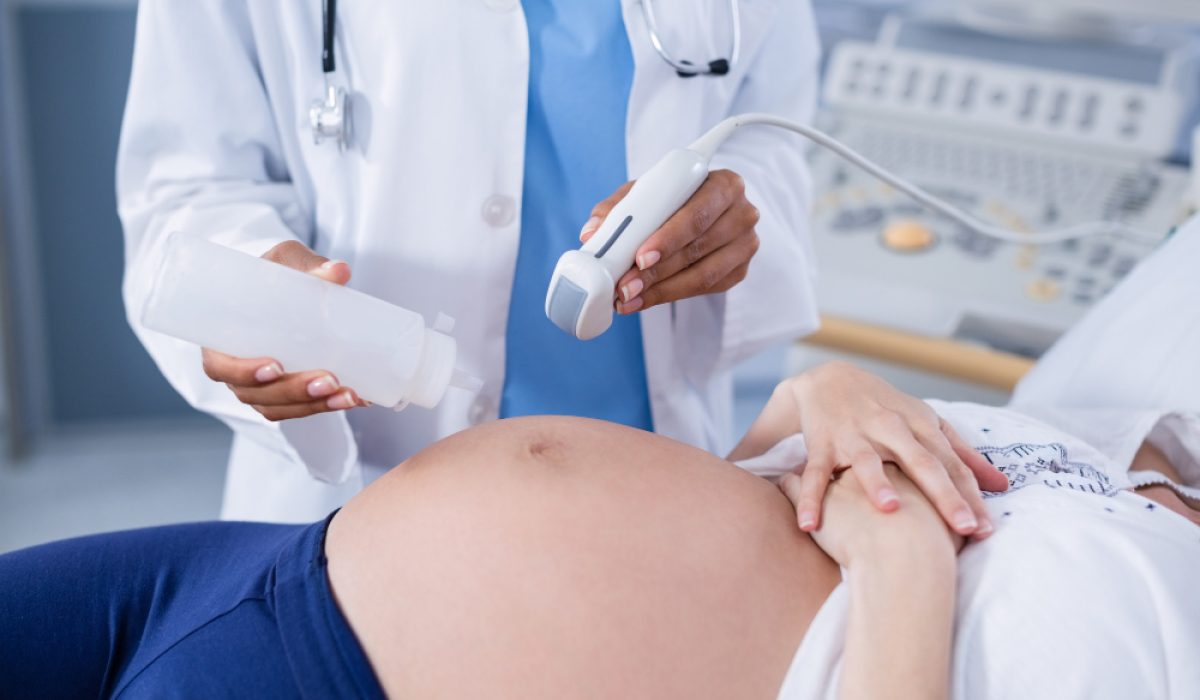
Every mother wants a safe pregnancy through regular antenatal monitoring. Regular check-ups help keep both mother and baby healthy. In fact, antenatal care benefits everyone involved. Following a pregnancy check-up schedule is one of the best ways to ensure a healthy pregnancy. This blog explains why these visits are so important and how they help you and your baby.
What is Antenatal Monitoring?
Antenatal monitoring means regular medical check-ups during pregnancy. These visits allow doctors to watch the health of both mother and baby. During each visit, your doctor checks for any problems early. As a result, you get the care you need at the right time. The World Health Organization (WHO) recommends at least eight antenatal visits for every pregnancy.
Why Regular Antenatal Check-Ups Are Essential for a Safe Pregnancy
Regular check-ups help spot health issues before they become serious. For example, doctors can find high blood pressure or diabetes early. Early treatment keeps you and your baby safer. Moreover, these visits give you a chance to ask questions and learn about your pregnancy. According to the CDC, regular antenatal care lowers the risk of problems for both mother and baby.
Key Components of Antenatal Visits
Each antenatal visit includes important checks and tests. These help your doctor track your health and your baby’s growth. Some key parts of antenatal visits are:
With each visit, your doctor can spot changes and act quickly if needed.
Common Risks Detected and Managed Through Monitoring
Regular antenatal monitoring helps find and manage many risks. Some common risks include:
Because these risks can harm both mother and baby, early detection is vital. Timely treatment helps prevent serious problems.
Tips for Expectant Mothers to Stay on Track with Appointments
It is easy to miss appointments when life gets busy. However, staying on track is important for your health. Here are some tips to help you:
By planning ahead, you can avoid missing important visits.
Prevention and Lifestyle Guidance for a Healthy Pregnancy
Besides regular check-ups, healthy habits matter too. For example, eating a balanced diet supports your baby’s growth. Additionally, gentle exercise keeps you strong. Here are some simple tips:
Following these steps, along with regular monitoring, helps ensure a healthy pregnancy.
When to Seek Immediate Medical Attention
Sometimes, problems can happen between visits. Therefore, it is important to know when to get help right away. Contact your doctor if you notice:
Quick action can save lives. Never wait if you feel something is wrong.
Conclusion
In summary, safe pregnancy through regular antenatal monitoring is possible. Regular check-ups help find and treat problems early. They also give you the support you need for a healthy pregnancy. For the best care, always follow your pregnancy check-up schedule. If you have questions, consult your obstetrician or healthcare provider for advice tailored to you and your baby.