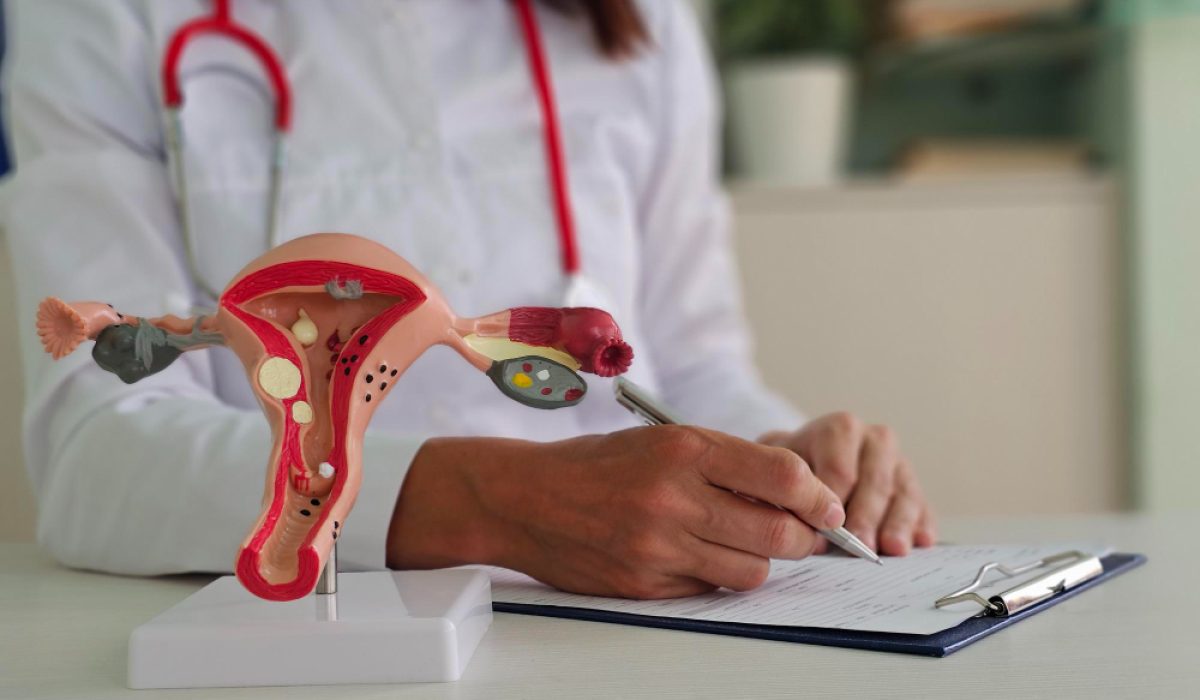
What Are Ovarian Cysts?
Ovarian cysts are fluid-filled sacs that form on or inside the ovaries. Many women develop ovarian cysts at some point in their lives. Most cysts are harmless and go away on their own. However, some may cause pain or other problems. Understanding the types of ovarian cysts and treatment options can help you make informed choices about your health.
Common Types of Ovarian Cysts
There are several types of ovarian cysts. Each type has its own features. Below are the most common types:
Symptoms and When to See a Doctor
Most ovarian cysts do not cause symptoms. But sometimes, you may notice signs. For example, you might feel pain or pressure in your lower belly. Other symptoms can include:
However, you should see a doctor if you have:
These could be signs of a serious problem, such as a ruptured cyst or twisted ovary. Early care can prevent complications.
Diagnosis Methods
Doctors use several methods to check for ovarian cysts. First, they may ask about your symptoms and medical history. Then, they might perform a pelvic exam. In addition, they often use imaging tests, such as:
With these tests, your doctor can decide the best treatment plan.
Treatment Options for Ovarian Cysts
Treatment depends on the type and size of the cyst, as well as your age and symptoms. Here are common options:
Your gynecologist will discuss the best option for you. In the United States, most ovarian cysts are treated without surgery.
Prevention and Lifestyle Tips
While you cannot always prevent ovarian cysts, you can take steps to support ovarian health. For example:
Early detection and healthy habits can help lower your risk of problems.
Conclusion
Ovarian cysts are common and often harmless. However, knowing the types of ovarian cysts and treatment options can help you stay informed. If you have symptoms or concerns, consult a gynecologist for personalized advice on ovarian cysts.
Sources: Centers for Disease Control and Prevention (CDC), World Health Organization (WHO), Mayo Clinic